
Instagram's Adam Mosseri testified he never told staff to hide child safety research
Instagram's Adam Mosseri testified he never told staff to hide child safety research
Free daily briefing on global business news.
Mosseri also confirmed Meta never disclosed that only 1-2% of teens used its Take a Break screen time feature
KARL MONDON / Getty Images
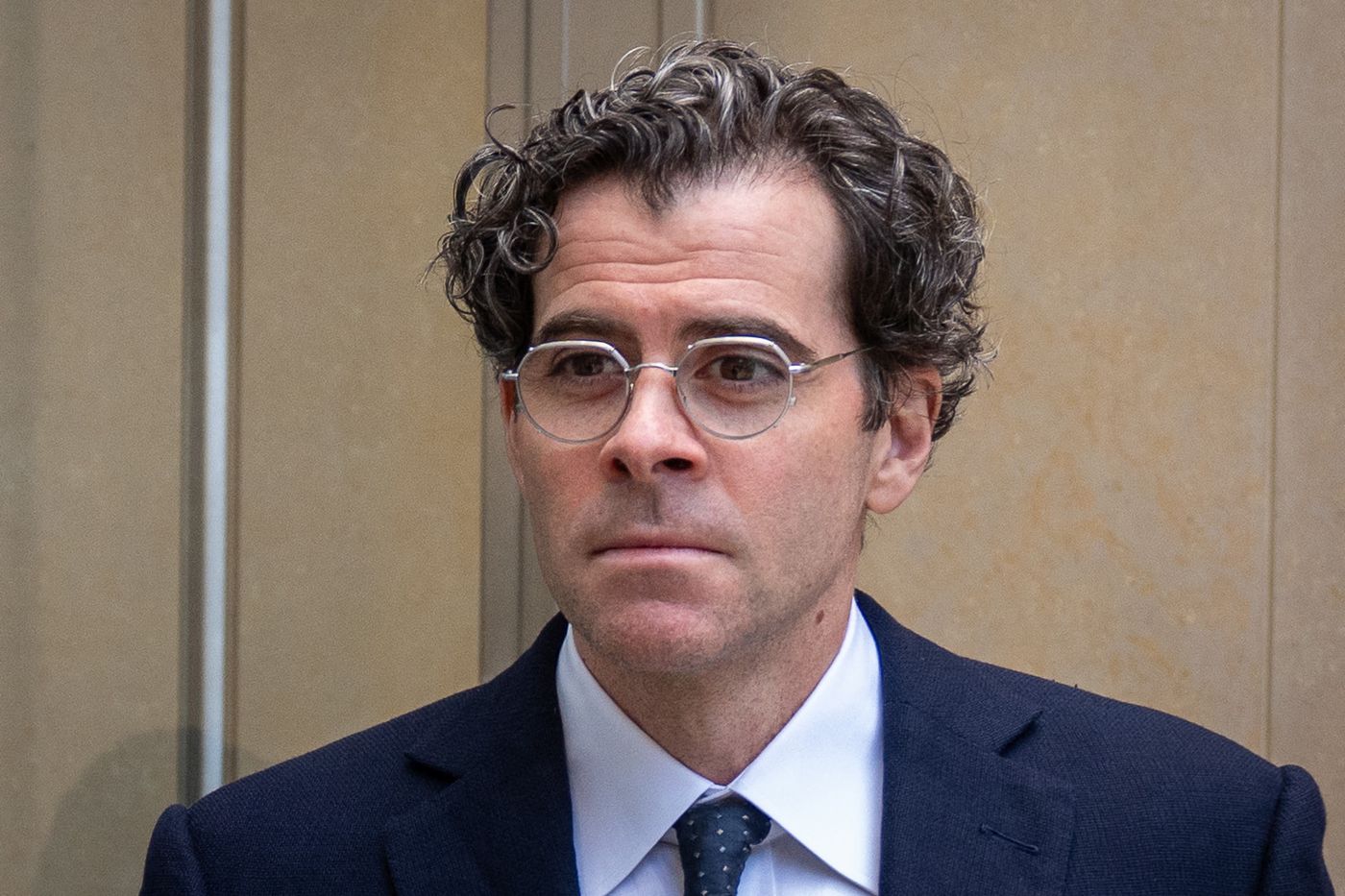
Instagram head Adam Mosseri took the stand Tuesday in a federal child safety trial, telling the court that he does not direct employees to conceal information from him that could create legal exposure for the company.
"I'm not trying to encourage my team to hide anything," Mosseri told the court, appearing Tuesday at a federal courthouse in Oakland, California, according to CNBC. He was responding to questions from trial attorney Jason Slothouber of the Colorado Attorney General's office, who asked whether Mosseri was aware that Meta $META attorneys may have instructed internal staff not to share certain child safety research.
Mosseri said scrutiny of child safety research by Meta's legal team for regulatory and policy purposes would not shock him, but that he would find it alarming if the goal turned out to be protecting the company from lawsuits or deceiving the public, according to CNBC.
Slothouber also questioned Mosseri about a feature called Take a Break, which sends pop-up messages to young users suggesting they pause after using the app for a set period. Court records included an internal document indicating that teen usage of the feature reached as low as 1.8%, according to NPR. The pop-up notifications "helped, but not nearly as much as we hoped," Mosseri said.
Slothouber pointed to a blog post Mosseri wrote around the time the feature launched that said "more than 90%" of users who turned on Take a Break kept it on — without disclosing the low adoption rate. Asked to confirm that parents had no way to know only 1-2% of teens used the feature, Mosseri replied: "Correct." Asked to confirm Meta had never disclosed that figure, Mosseri again said: "Correct," according to NPR.
Mosseri also conceded that following Frances Haugen's 2021 disclosure of corporate documents touching on children's and teen mental health, Meta tightened access to certain internal research by limiting which employees could view it. He attributed the access restrictions to concerns about misrepresentation — "we don't want anything to be taken out of context" — and pushed back against the plaintiffs' suggestion that the company had simultaneously cut back on the researchers it employed to study harms to young users. "I don't think the team was smaller, it was just centralized," he said.
The trial, which opened last week in Oakland before U.S. District Judge Yvonne Gonzalez Rogers, is being co-led by California Attorney General Rob Bonta alongside the attorneys general of Colorado, New Jersey, and Kentucky, representing a coalition of 29 states. The states allege Meta violated the federal Children's Online Privacy Protection Act and consumer protection laws, and are seeking penalties that could reach $200 billion. Meta has denied the allegations.
Early penalty estimates top out at $1.4 trillion — a figure that roughly matches Meta's entire market capitalization. The trial is expected to last about five more weeks. Mosseri's testimony is set to continue Wednesday.
Join 500,000+ readers who start their day with Quartz.
By subscribing, you agree to our Terms of Service and Privacy Policy.
Global business news for a smarter world
© 2026 Quartz Media, Inc. All rights reserved.