
Trump's Labor Department is reviving a push to expand health insurance access for gig workers
Trump's Labor Department is reviving a push to expand health insurance access for gig workers
Free daily briefing on global business news.
The agency has sent a draft rule to the White House that would broaden how associations can offer coverage to self-employed workers and small businesses
Kevin Carter / Getty Images
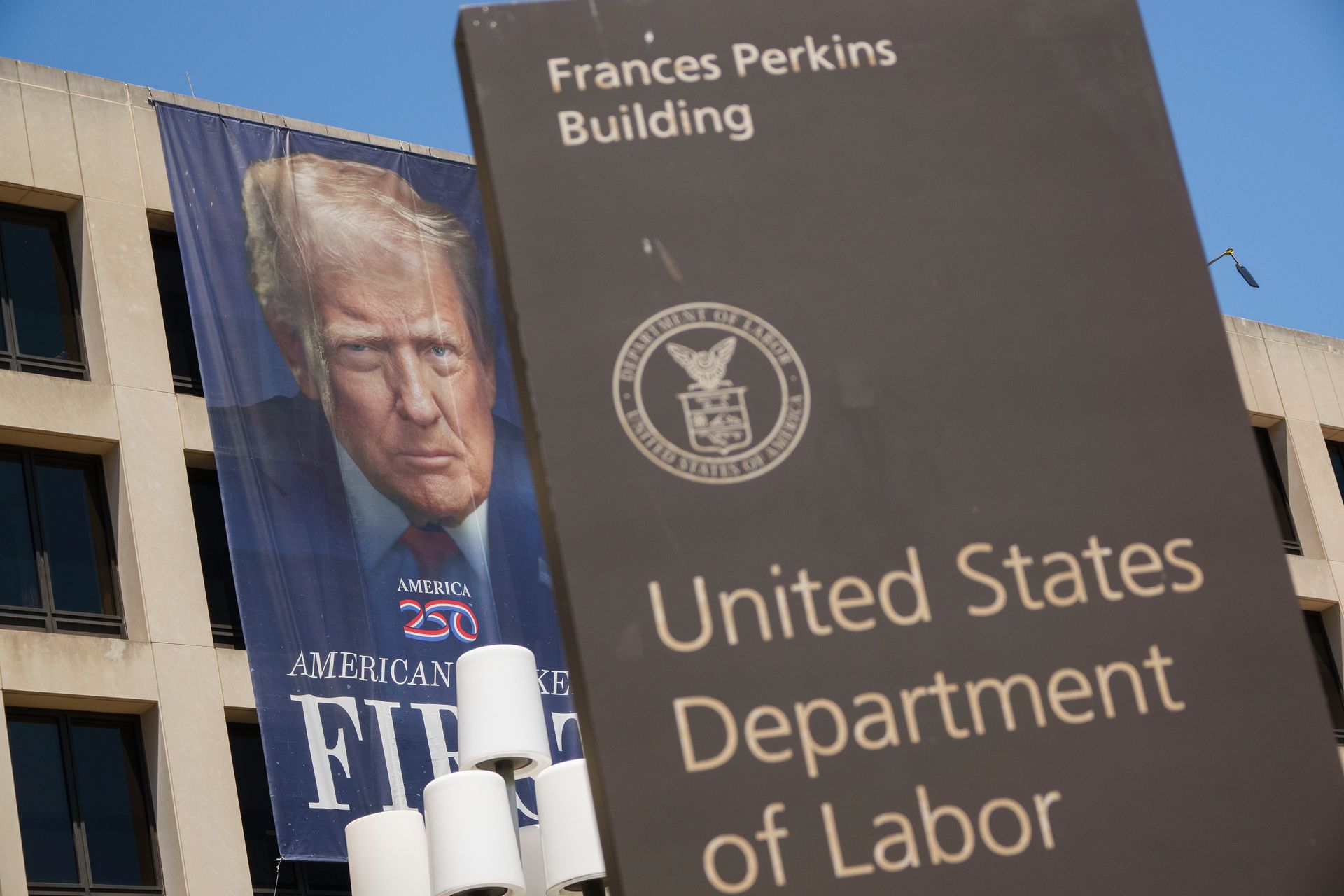
The U.S. Labor Department has submitted a draft rule proposal to the White House that would expand access to health insurance through membership organizations, with potential implications for millions of gig workers and small businesses, according to CNBC. The proposal is under review by the Office of Information and Regulatory Affairs.
The rule would address the definition of "employer" under federal benefits law to give associations broader ability to offer coverage to their members, according to CNBC. The specific provisions have not been made public. The Labor Department did not respond to a request for comment.
The proposal marks the Trump administration's second attempt to expand so-called association health plans, or AHPs. The first came in 2018, during President Donald Trump's first term. A federal judge, ruling in response to a multistate lawsuit, held in 2019 that the Labor Department had impermissibly broadened what ERISA means by the word "employer," and struck down key portions of the rule. The Biden administration formally rescinded the rule in 2024.
"They're going back to the drawing board on the definition of employer, which is what they did originally, but parts of it were struck down," Kaye Pestaina, director of the program on patient and consumer protections at KFF, a nonpartisan health policy research group, said. "It's hard to guess what they'll do to get around the court's concerns."
Under existing law, AHPs can be offered only through associations that connect members within the same industry, and those members must themselves have employees. The 2018 rule brought self-employed individuals within the ERISA definition of "employer," making them AHP-eligible, and it opened plan sponsorship to associations formed around a common geographic area rather than a shared trade. There were 11.9 million independent contractors in 2023, according to the Bureau of Labor Statistics.
NAR, a trade group with a membership exceeding 1.4 million, expressed support for the effort. Shannon McGahn, NAR's executive vice president and chief advocacy officer, said: "Self-employed real estate professionals deserve the same health coverage choices that employees and union members already have." About 14% of NAR's members are uninsured, McGahn said.
The backdrop for the proposal is a deepening affordability crisis in individual health insurance. ACA marketplace premiums for enrollees have jumped an average of 58% this year following the expiration of enhanced premium subsidies at the end of 2025, after Congress declined to extend them. KFF data show insurers are requesting a 15% median premium hike for 2027.
Supporters argue AHPs could offer lower premiums than ACA marketplace plans to self-employed workers who earn too much to qualify for subsidies. The risk, experts noted, is that a wave of younger, healthier people leaving for AHPs would concentrate sicker, costlier enrollees in the ACA marketplace, putting upward pressure on premiums for everyone who stays.
Join 500,000+ readers who start their day with Quartz.
By subscribing, you agree to our Terms of Service and Privacy Policy.
Global business news for a smarter world
© 2026 Quartz Media, Inc. All rights reserved.