
A judge temporarily blocked the Postal Service's new mail-in voting rules ahead of the midterms
A judge temporarily blocked the Postal Service's new mail-in voting rules ahead of the midterms
Free daily briefing on global business news.
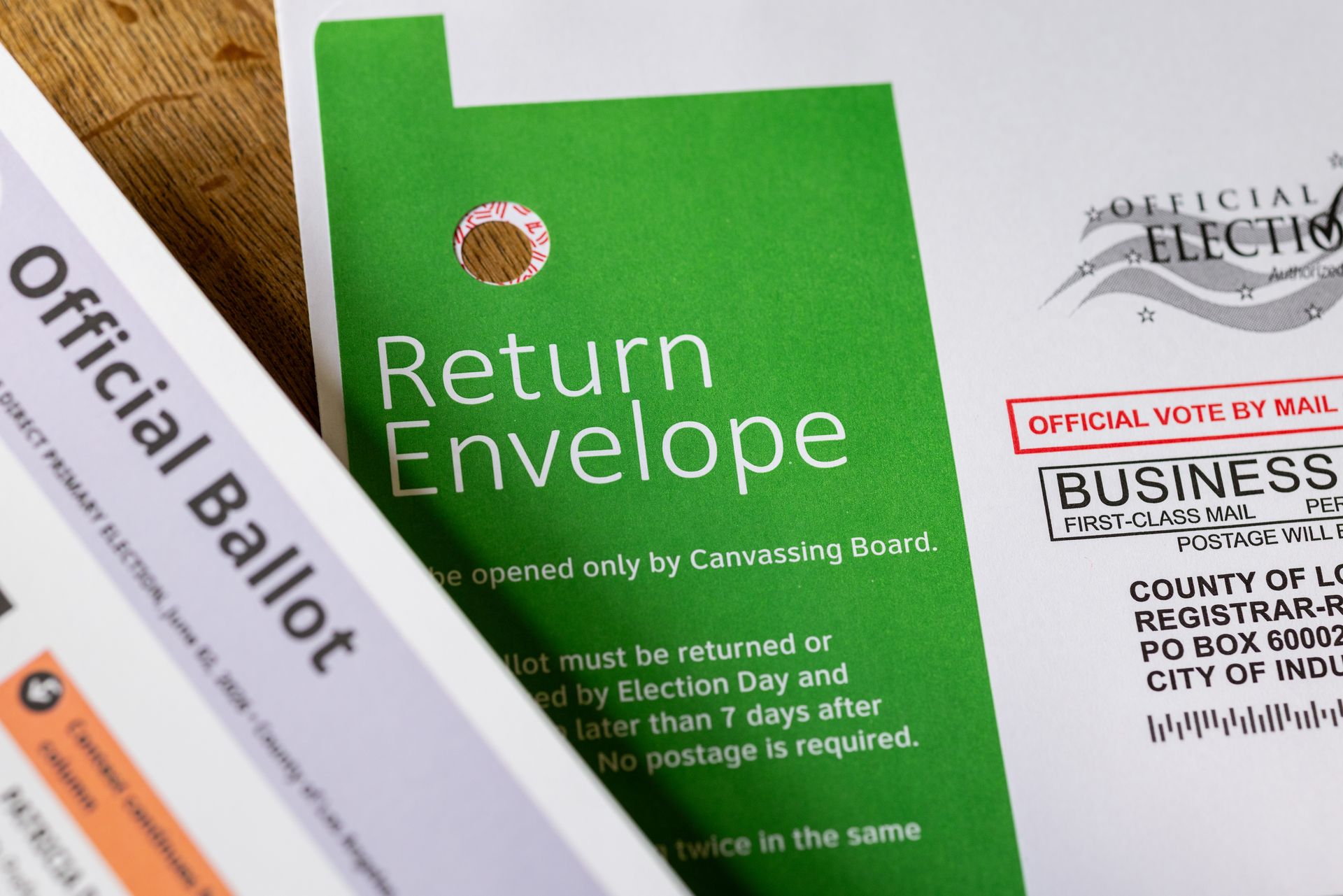
A federal judge in Boston issued a 14-day restraining order against new USPS regulations that would have added federal oversight to mail-in voting
Jay L Clendenin / Getty Images
U.S. District Judge Indira Talwani issued a temporary restraining order on Thursday blocking the Trump administration from implementing new U.S. Postal Service regulations governing mail-in ballots ahead of the November midterm elections.
The order freezes the USPS regulations for 14 days as Talwani, a federal judge in Massachusetts, weighs whether a longer-term injunction is warranted. She has scheduled a hearing for Sept. 3.
The regulations, which USPS finalized on Aug. 21, stem from an executive order President Donald Trump signed in March. The most contested provision would require states to submit lists of their absentee voters to USPS, which would then deliver mail-in ballots only to people on those lists. The rules also impose new requirements for ballot envelope design and individualized bar codes, according to The Wall Street Journal.
In her ruling, Talwani concluded that the challengers had a strong likelihood of prevailing, reasoning that the Constitution bars a president from drawing the federal government into elections unless Congress has explicitly granted that authority. She also observed that the administration had put forward no evidence of fraudulent absentee or mail-in voting, and that states possess "neither time nor funds" to meet the new demands before November. Compliance before November would be "practically impossible," she wrote.
"The government's interest in correcting an unsubstantiated problem through likely unconstitutional means is dwarfed by the overwhelming risk of pervasive disenfranchisement," Talwani wrote.
The decision followed the Supreme Court's move on Monday to vacate a separate injunction Talwani had entered in an earlier lawsuit filed by California and 22 other states. The justices determined that Talwani had intervened prematurely, ahead of USPS publishing its final rule, while leaving open the question of whether the executive order or the postal regulations could ultimately withstand legal scrutiny.
The legal challenges come from multiple fronts, including a coalition of roughly two dozen Democratic-led states and groups such as the League of Women Voters. New York Attorney General Letitia James called the USPS rule "a clear attempt by the federal government to interfere in elections it has no power to control."
The Trump administration has argued that the regulations impose only limited burdens on states. The administration could seek to overturn Talwani's ruling by appealing to the Supreme Court, according to NBC News. Nearly one in three Americans use mail-in ballots, according to The Wall Street Journal.
Join 500,000+ readers who start their day with Quartz.
By subscribing, you agree to our Terms of Service and Privacy Policy.
Global business news for a smarter world
© 2026 Quartz Media, Inc. All rights reserved.