
Citigroup is pushing its Fed rate cut forecast all the way back to mid-2027
Citigroup is pushing its Fed rate cut forecast all the way back to mid-2027
Free daily briefing on global business news.
The bank had previously expected cuts in October and December 2026 and January 2027, but a stronger-than-expected August jobs report changed its outlook
NurPhoto / Getty Images
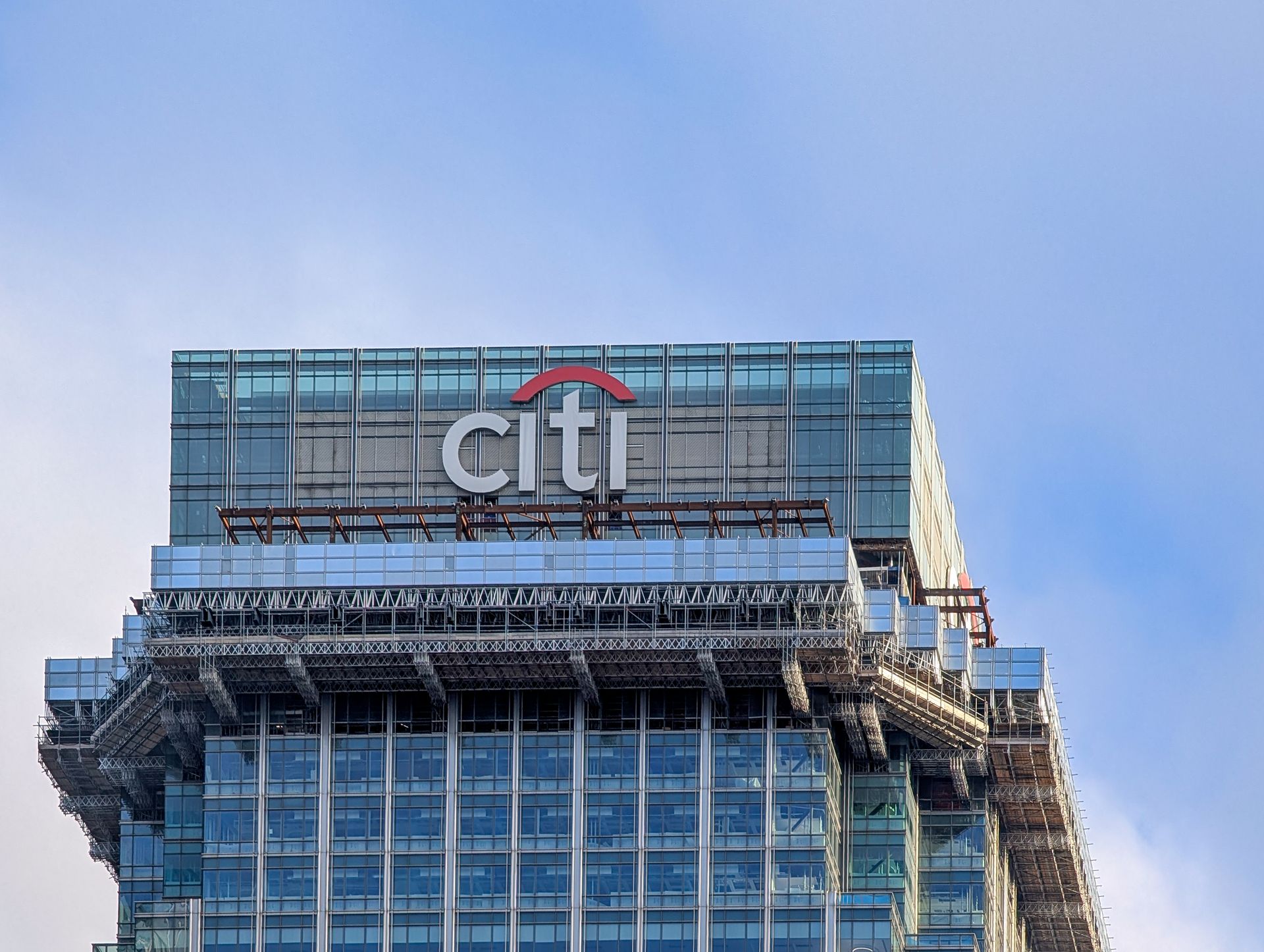
Citigroup $C delayed its expectation of when the Federal Reserve will next cut interest rates, now projecting June 2027, after a stronger-than-expected August jobs report suggested the labor market is healthy enough to remove pressure on the central bank to ease policy in the near term, according to Reuters.
Citigroup had been forecasting reductions in October and December 2026 and January 2027; it has replaced those calls with three cuts spread across June, September, and December of next year.
U.S. employers added 162,000 jobs in August, well ahead of economist expectations of 53,000, while the unemployment rate held steady at 4.1%. The August gain was the strongest monthly increase since March. The labor force participation rate rose 0.2 percentage point, and prior months were revised upward — July swung to a gain of 21,000 from a previously reported loss of 23,000, while June's gain was revised up by 11,000, according to CNBC.
Citigroup economists Andrew Hollenhorst and Veronica Clark said in a note that the data suggested Fed policymakers would view employment conditions as broadly stable and turn their attention to the inflation outlook. "The unemployment rate was unchanged and labor force participation rebounded noticeably," they wrote.
Citigroup, long known for dovish Fed calls, argued that the stronger-than-anticipated payrolls reading effectively redirects policymaker attention away from employment concerns and toward the trajectory of prices.
The jobs data also rippled through financial markets. According to Reuters, traders assigned a 61% chance of a hike at the Fed's September 15-16 meeting, climbing from 52% before the report crossed the wire.
The central bank last moved rates during a series of three reductions in the second half of 2025, and has stood pat ever since, according to CNBC. Policymakers have expressed concern about inflation, which has run above the Fed's 2% target for more than five years. Several officials this week — including Fed Governor Christopher Waller and New York Fed President John Williams — said they favor holding rates steady as long as inflation continues to moderate on a monthly basis, though both Waller and Fed Governor Michael Barr indicated they would be prepared to raise rates if upcoming data do not show further moderation.
Attention now turns to the consumer and producer price index readings due Thursday and Friday, which will be the last major inflation data in hand before Fed officials gather later in the month.
Join 500,000+ readers who start their day with Quartz.
By subscribing, you agree to our Terms of Service and Privacy Policy.
Global business news for a smarter world
© 2026 Quartz Media, Inc. All rights reserved.