
Canada's retaliatory tariffs on U.S. goods took effect as trade war deepens
Canada's retaliatory tariffs on U.S. goods took effect as trade war deepens
Free daily briefing on global business news.
Ottawa matched U.S. Section 338 duties dollar for dollar, hitting steel, dairy, electronics, and furniture with rates up to 50%
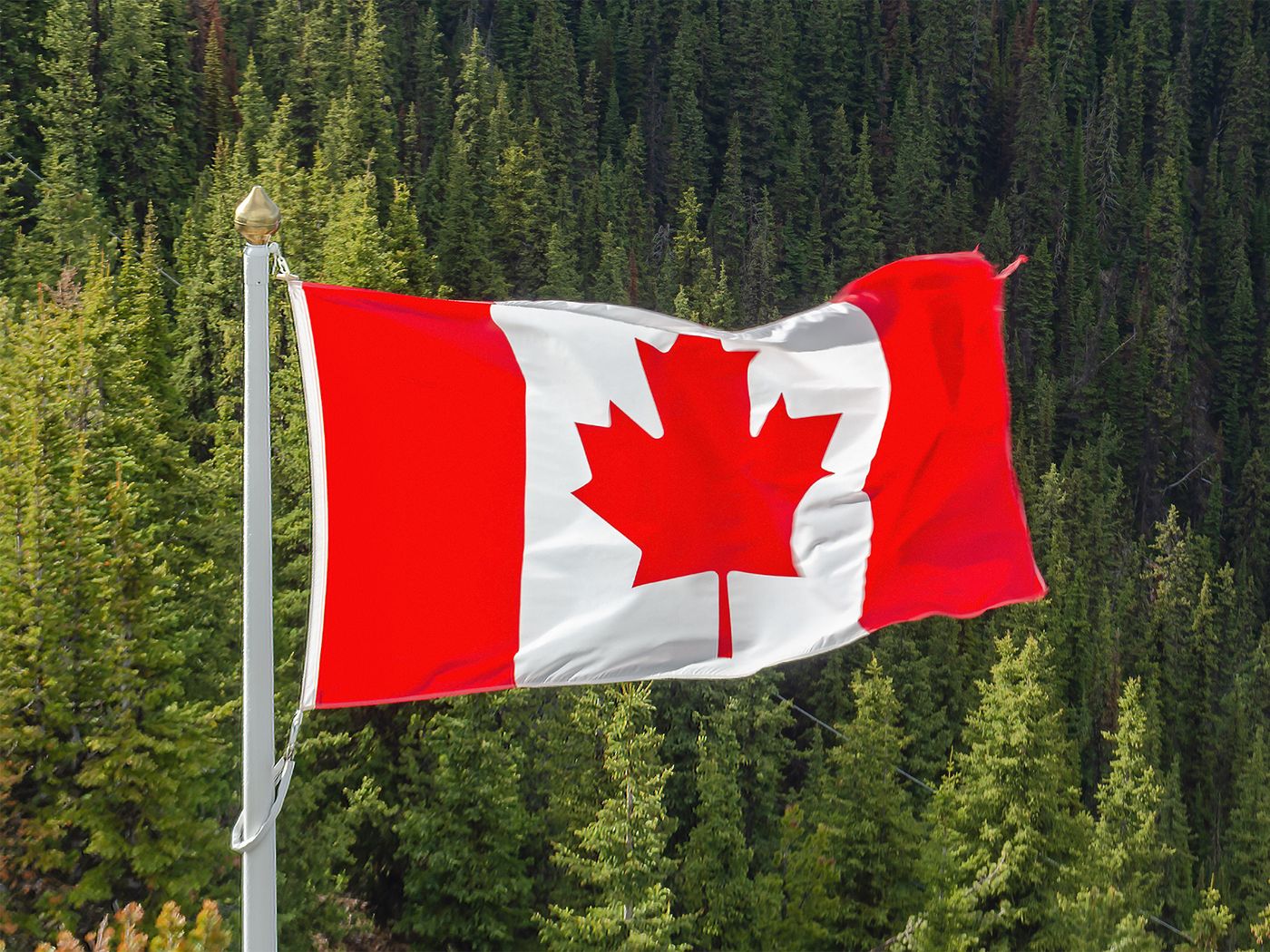
Credit: Ethan Sahagun / Wikimedia Commons (CC BY-SA 4.0)
Canada imposed counter-tariffs on $27.6 billion worth of American goods on Tuesday, with duties ranging from 15% to 50% across hundreds of product categories including steel, dairy, appliances, agricultural equipment, pulp and paper, and electronics.
The measures took effect at 12:01 a.m. Tuesday, applying only to goods originating from the United States. Ottawa described the action as a "dollar for dollar" response to U.S. Section 338 tariffs on Canadian exports. Individual product rates were set to match the corresponding U.S. rate for the same goods. Steel, aluminum, and iron products from the U.S. now face a 50% Canadian tariff, and furniture, motorcycles, clothing, and certain beauty products were likewise placed in the top-rate bracket, according to CNBC. Existing Canadian counter-tariffs on U.S. autos, including a 25% rate on that sector, remain in place.
Canada's Department of Finance framed the tariffs as a tool to strengthen the competitive position of Canadian workers, producers, and manufacturers against American goods entering the domestic market. Goods already in transit to Canada when the tariffs came into force were exempt.
The move follows the collapse of trade negotiations late last month, when Canadian Prime Minister Mark Carney suspended talks after saying U.S. negotiators introduced terms he described as "unfair, uneconomic, and called into question the reliability of any deal." U.S. Trade Representative Jamieson Greer disputed that account, arguing Canada had pushed for additional concessions after the outlines of a deal had been reached. The U.S. then imposed a 50% tariff on roughly $20 billion in Canadian goods under Section 338 of the Tariff Act of 1930, a provision that had not been used since 1949.
When Canada announced the counter-tariffs in late August, Finance Minister François-Philippe Champagne confirmed the rates and sectors to be covered and said Ottawa would also deploy a $7.5 billion support package for businesses and workers affected by U.S. duties.
The day before the tariffs took effect, U.S. President Donald Trump took to Truth Social to demand that Americans stop purchasing products from Canadian airplane manufacturer Bombardier, writing: "NO MORE SELLING BOMBARDIER IN THE UNITED STATES!"
According to CNBC, economists warn that smaller businesses and industries concentrated in the targeted categories stand to absorb the sharpest pain, even as the affected goods make up only a modest slice of total bilateral commerce. In the most recent full trade year, the U.S. sent $333.6 billion in goods north of the border while receiving $381.9 billion in Canadian exports in return.
Join 500,000+ readers who start their day with Quartz.
By subscribing, you agree to our Terms of Service and Privacy Policy.
Global business news for a smarter world
© 2026 Quartz Media, Inc. All rights reserved.