
Mexico and the U.S. are racing to seal a trade deal before the midterms
Mexico and the U.S. are racing to seal a trade deal before the midterms
Free daily briefing on global business news.
Talks are focused on automotive and steel tariffs, with both sides eyeing a deal before the November 3 congressional elections
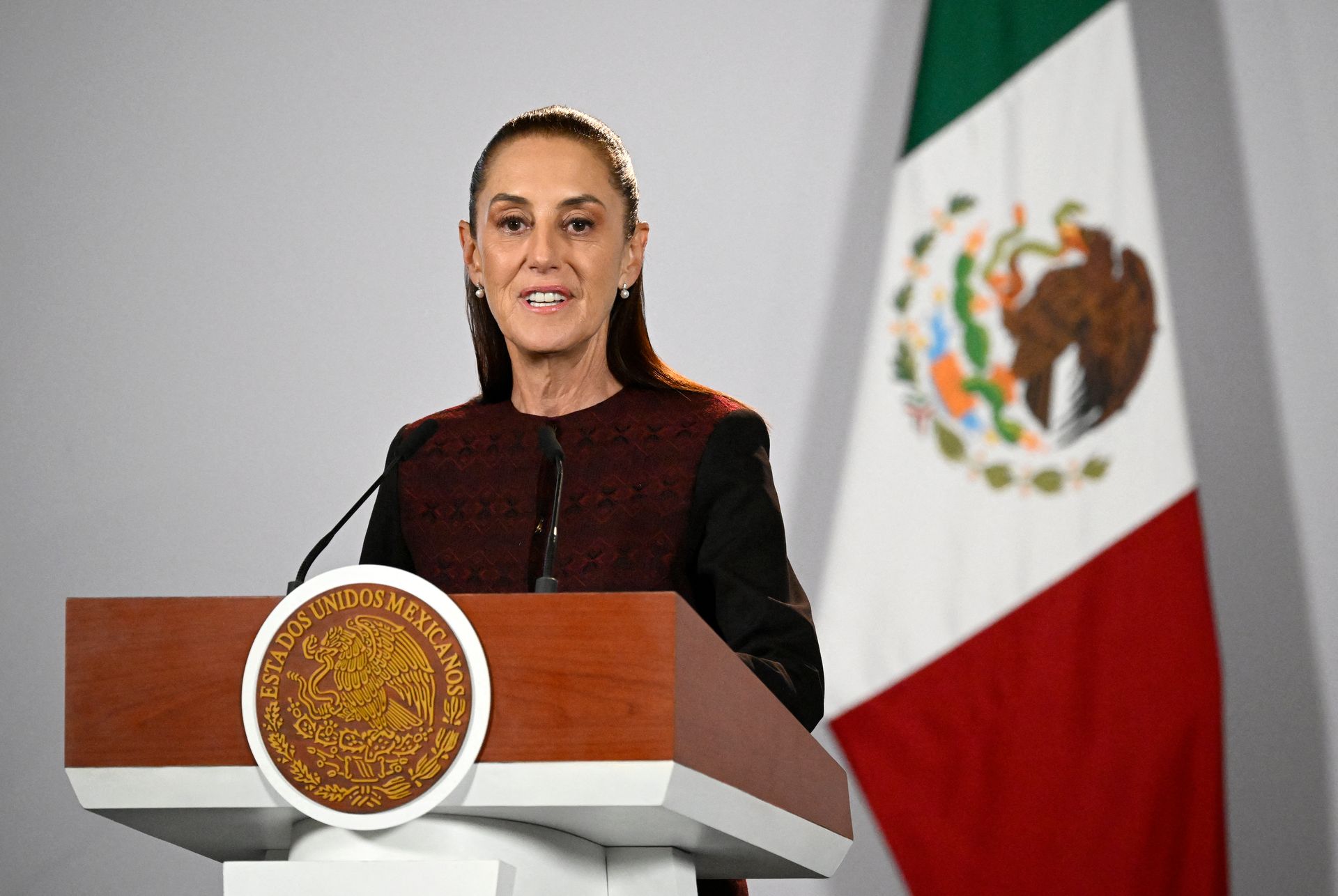
AFP / Getty Images
Negotiations between Mexico and the United States are intensifying around a potential interim bilateral trade agreement ahead of the November 3 midterm elections, Reuters reported, drawing on six people in both countries who have direct knowledge of the discussions.
The effort has taken on added urgency following the collapse of U.S.-Canada trade negotiations last month, which left the two longtime neighbors in an escalating tariff dispute. Officials in both Mexico and the U.S. see political benefits in reaching a deal before the elections, when President Donald Trump's Republican Party risks losing control of Congress.
"We both want to reach a deal before the midterms," one Mexico-based source told Reuters. "Time is of the essence for the Mexican government," the source added, pointing to a weak economy and falling credit ratings. Mexican President Claudia Sheinbaum's administration views a U.S. trade deal as critical to reassuring markets and investors, the source said.
Mexico's economy ministry tempered expectations, with a spokesperson saying "there are no specific deadlines at this time."
U.S. Commerce Secretary Howard Lutnick met with President Sheinbaum on Thursday to discuss trade. The meeting came less than two weeks after Sheinbaum proposed legislation that would give the Mexican government new powers to review and block foreign acquisitions of Mexican companies — a measure widely seen as a response to U.S. pressure over Chinese investment.
The thorniest issue in any agreement remains the national security tariffs imposed under Section 232, which hit Mexican and Canadian steel at 50% and automobiles at 25%. Since those tariffs were set, the administration has struck separate arrangements with Japan, the European Union, South Korea, and Britain — at 15% and 10%, respectively — meaning cars arriving from those nations now enter the U.S. market on better terms than those from Mexico or Canada.
Auto industry sources cited by Reuters say the arrangement Washington may put on the table for Mexico mirrors what was nearly agreed with Canada — a 15% baseline tariff on imported vehicles, reduced further based on U.S. content levels, yielding an effective rate of roughly 7%. As part of any such arrangement, Mexico would face pressure to concede on longstanding U.S. demands that vehicles contain more American-made components — specifically in areas like engines, electronics, and software.
The negotiations take place against a backdrop of prolonged uncertainty around the U.S.-Mexico-Canada Agreement. The USMCA was not renewed at its July review deadline, with the U.S. opting instead for annual reviews. Mexico had put forward a plan to restructure how auto tariffs are calculated, while resisting a U.S. demand that 50% of vehicle content be American-made.
Canada's talks broke down after Ottawa said U.S. negotiators introduced terms it described as unfair, leading Washington to impose 50% tariffs on roughly $20 billion in Canadian goods. Canada responded with counter-tariffs on $27.6 billion worth of American goods, with rates matching those imposed by the U.S. Reuters reports that Mexico has read Canada's experience as a warning, concluding that working with Washington rather than pushing back against it offers a better path to tariff relief. More than 80% of Mexico's exports go to the United States.
Join 500,000+ readers who start their day with Quartz.
By subscribing, you agree to our Terms of Service and Privacy Policy.
Global business news for a smarter world
© 2026 Quartz Media, Inc. All rights reserved.
Do Not Sell or Share My Personal Information
We won't sell or share your personal information to inform the ads you see. You may still see interest-based ads if your information is sold or shared by other companies or was sold or shared previously.
Dismiss
Opt out