
Trump is promising automakers tariff relief if they commit to U.S. factories
Trump is promising automakers tariff relief if they commit to U.S. factories
Free daily briefing on global business news.
Global business news for a smarter world
© 2026 Quartz Media, Inc. All rights reserved.
Audi's CEO would not fully disclose whether relief is part of the Georgia deal, and program details are being worked out
Chen Mengtong/China News Service/VCG via Getty Images
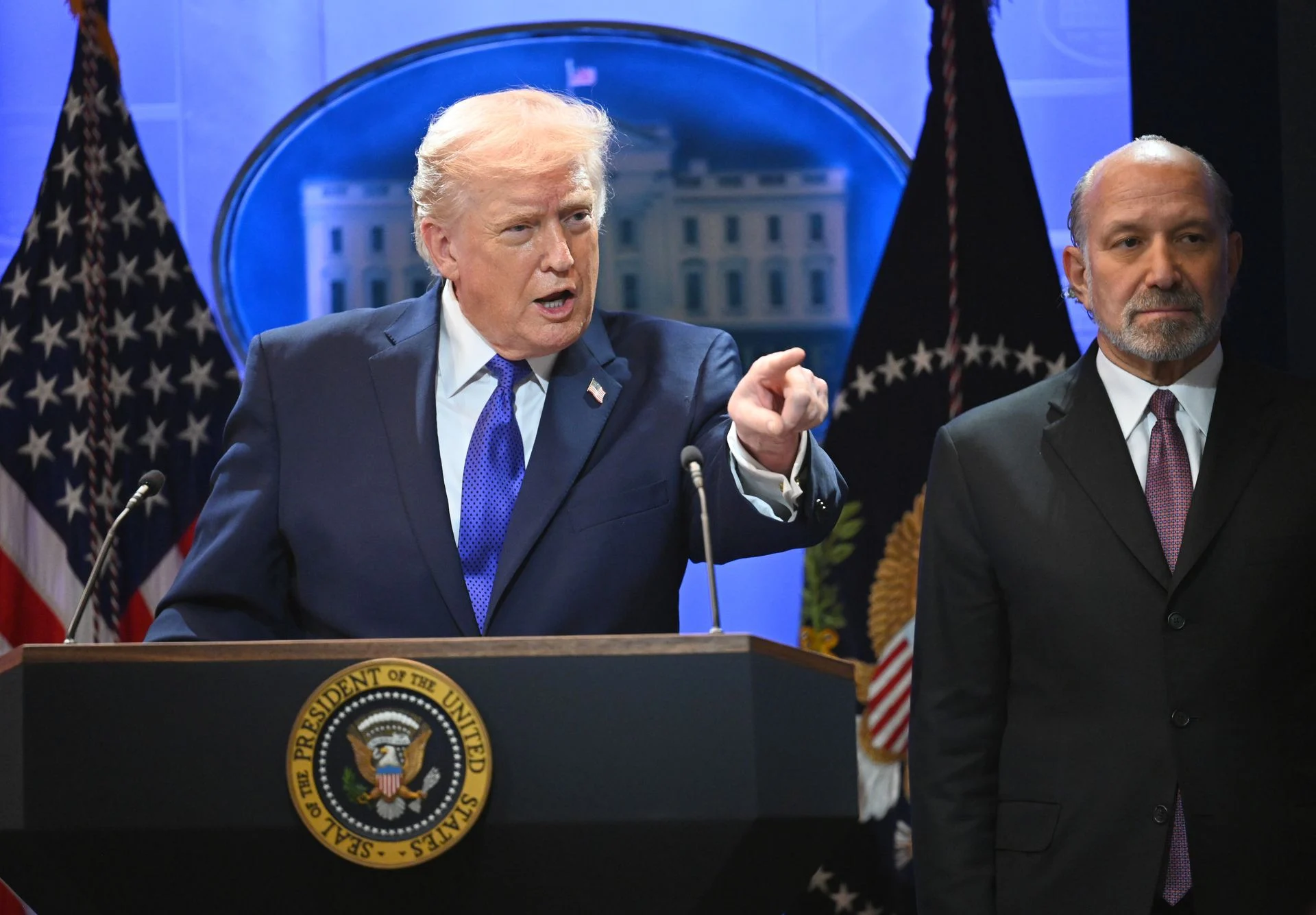
The Trump administration pledged relief from tariffs to automakers willing to commit to building in the U.S. as it negotiated to land a $4 billion Georgia plant for Audi, the Volkswagen luxury brand, according to The Wall Street Journal.
Audi executives were assured that the Commerce Department would create a program offering tariff relief to businesses investing in the U.S., according to The Wall Street Journal. Officials are still finalizing the specifics, though the program would probably let participating companies cut their tariff bills on vehicles or components brought in from abroad, through exemptions or offsets, according to The Wall Street Journal. Companies would need to promise to begin building a plant in order to qualify, the Journal said, citing unnamed sources.
Audi executives made trips to Washington seeking a tariff break, according to The Wall Street Journal. The program will probably be modeled on a polysilicon-tariff system the Commerce Department built, in which solar firms file plans to bring production back home and get exemptions on some products after those plans are approved, according to The Wall Street Journal.
Audi announced plans for its first U.S. plant on Oct. 25. The company said it intends to invest about $4 billion and create about 4,500 jobs, with capacity for up to 200,000 vehicles a year and production planned to start in the early 2030s. Audi also said a larger North American presence would help reduce its exposure to trade and currency risks.
Georgia Gov. Brian Kemp's office announced the project with Audi on Oct. 24. President Donald Trump announced the plant last Saturday at a campaign rally in Perry, Georgia, according to The Wall Street Journal.
Audi's exposure to tariffs was already a stated reason for the Georgia plan. Audi CEO Gernot Döllner said last Sunday the project is a commercial move meant to boost sales and reduce the company's vulnerability to U.S. tariffs. Tariffs cost Audi 1.2 billion euros ($1.4 billion) last year because every vehicle it sells in the U.S. is imported from Europe or Mexico. Döllner would not fully disclose the terms of the agreement with the U.S., including whether tariff relief is part of it.
Volkswagen's supervisory board must still approve the spending before the project can move forward. Volkswagen CEO Oliver Blume said in January that the automaker lacked the money to build a new Audi U.S. plant and also cover its tariff costs, according to The Wall Street Journal.
Join 500,000+ readers who start their day with Quartz.
By subscribing, you agree to our Terms of Service and Privacy Policy.